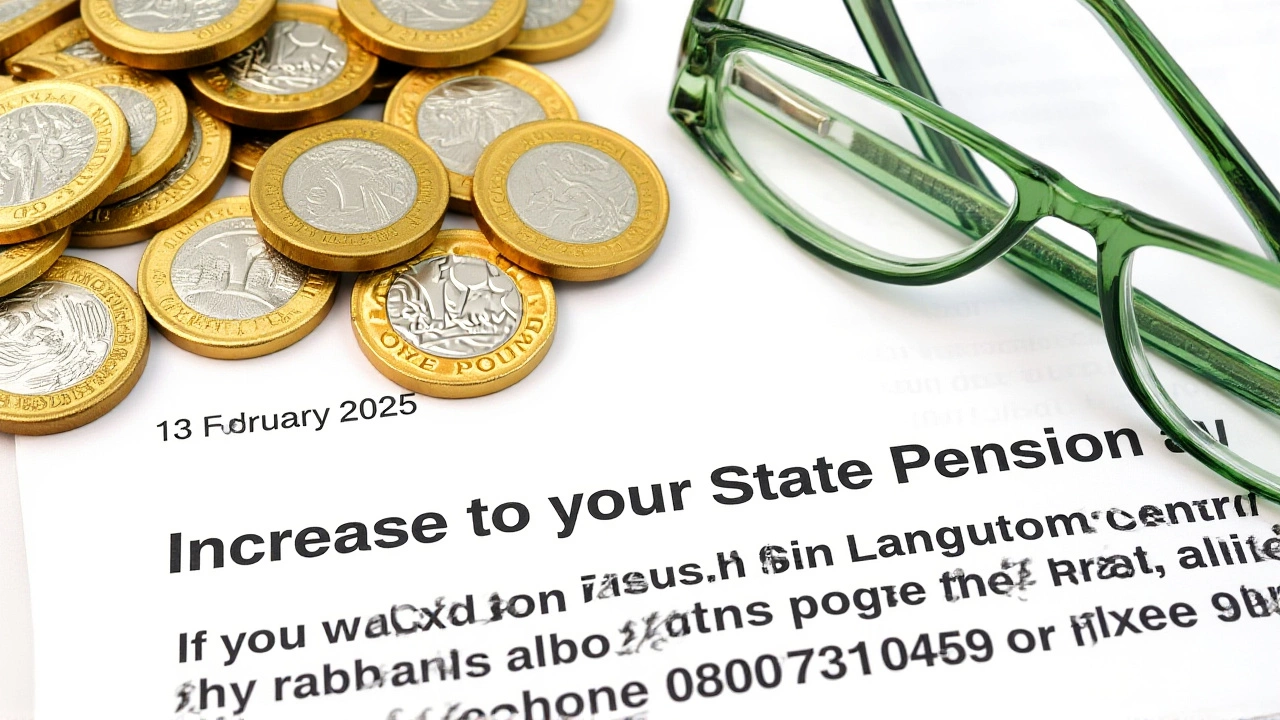
Here’s the thing about government bureaucracy: when it works, you don’t notice. When it breaks, however, the fallout is immediate and personal. For approximately 800,000 people across the United Kingdom, that break has arrived in the form of a significant data error affecting their state pension records.
The issue stems from a glitch involving HM Revenue and Customs, the UK’s tax collector, which failed to correctly transfer National Insurance contribution data to the Department for Work and Pensions (DWP). This isn't just a minor administrative hiccup; it’s a systemic failure that could leave hundreds of thousands of retirees facing reduced income or delayed payments.
The Scope of the Glitch
Turns out, this isn’t an isolated incident affecting a few dozen people. The scale is massive. We’re talking about nearly one million individuals whose financial security hangs in the balance because of a digital handoff gone wrong. The core problem? HMRC didn’t pass on crucial National Insurance contribution details to the DWP during a routine data update.
Without these contributions recorded, the DWP’s calculation engine assumes those years simply didn’t happen. For someone nearing retirement age, missing even a single year of contributions can drop their weekly pension by tens of pounds. Over a lifetime, that adds up to thousands in lost income. It’s a silent thief, picking at the pockets of people who have played by the rules their entire working lives.
The twist is that many of these affected individuals won’t know they’ve been hit until they check their online forecasts or receive their first pension statement. By then, the damage—financially and emotionally—is already done. The lack of proactive notification from the government bodies involved has sparked outrage among advocacy groups and MPs alike.
Why This Matters Now
You might wonder why this is exploding into headlines now. The timing coincides with increased scrutiny on how public sector IT systems handle sensitive citizen data. In recent years, we’ve seen similar issues with passport processing delays and student loan miscalculations. But pensions are different. They represent the bedrock of financial independence for older citizens.
Consider the context: inflation is still biting hard, energy costs remain volatile, and the cost of living crisis hasn’t fully receded. A reduction in state pension income doesn’t just mean less money for holidays; it means harder choices between heating and eating for some. The stakes couldn’t be higher.
Furthermore, this error highlights a deeper structural fragility in the way UK government departments share data. While both HMRC and the DWP claim to have robust cybersecurity and data integrity protocols, this breach suggests otherwise. It raises uncomfortable questions about oversight and accountability in public service delivery.
Official Responses and Reassurances
In response to growing pressure, officials have issued statements aimed at calming nerves. An HMRC spokesperson stated that they are working closely with the DWP to identify all affected cases and correct the records as quickly as possible. “We understand the anxiety this causes,” the statement read, “and we are committed to making things right.”
But wait—words are cheap. What matters is action. Critics argue that “working closely” is vague and lacks specific timelines. How long will the correction process take? Will backdated payments include interest? These are the questions families need answered, not platitudes.
The Department for Work and Pensions has also stepped in, urging anyone who suspects their record is incomplete to check their state pension forecast online. They emphasize that no one needs to contact them directly unless they have specific concerns, aiming to reduce call center overload. However, for those less tech-savvy—often the very demographic most affected by pension errors—this advice feels dismissive.

What Should You Do?
If you’re worried, don’t panic, but do act. Here’s your checklist:
- Check Your Forecast: Log in to GOV.UK and view your state pension forecast. Look for gaps in your National Insurance record.
- Verify Contributions: Cross-reference your employment history with the record shown. Did you work during a gap? If so, flag it.
- Contact HMRC: If you find discrepancies, reach out to HMRC directly rather than the DWP, as they hold the original contribution data.
- Keep Records: Save screenshots of your online account and any correspondence. Paper trails matter when disputes arise.
Remember, you don’t need to be an expert to spot a mistake. If something looks off—like a year where you were definitely working showing zero contributions—trust your gut. Investigate further.
Broader Implications for Public Trust
This incident does more than hurt wallets; it erodes trust. When citizens believe the system is rigged against them—or simply too incompetent to manage basic data—the social contract frays. We see this play out in declining voter turnout and rising cynicism toward political institutions.
Experts warn that if this isn’t handled transparently and efficiently, it could fuel broader dissatisfaction with welfare reforms. There’s a narrative emerging that the state is failing its most vulnerable members, and stories like this provide ammunition for that argument. Conversely, a swift and generous resolution could restore confidence. The ball is in the government’s court.
Background: A History of Data Woes
This isn’t the first time UK pensioners have faced data nightmares. Recall the Post Office Horizon scandal, where faulty software led to wrongful prosecutions of subpostmasters. Or the earlier issues with the Universal Credit rollout, which caused widespread hardship due to technical glitches. Each case shares common threads: complex IT systems, inadequate testing, and slow acknowledgment of faults.
The pattern is concerning. It suggests that while digitization promises efficiency, it often introduces new vulnerabilities if not managed with care. As the UK moves toward a more digital-first government, ensuring data accuracy must become a top priority, not an afterthought.
Frequently Asked Questions
Who is affected by the HMRC pension error?
Approximately 800,000 individuals across the UK are potentially affected. This includes current pensioners, those approaching retirement age, and younger workers whose National Insurance records may have gaps. The error specifically impacts people whose contribution data was not successfully transferred from HMRC to the DWP.
How much money could I lose?
The amount varies depending on your earnings history. Missing one year of contributions can reduce your weekly pension by roughly £15-£20. Over a decade, this could mean losing over £7,000 to £10,000 in total pension income. Backdated payments should cover these losses once corrected.
Do I need to contact HMRC or the DWP?
If you suspect an error, start by checking your online state pension forecast on GOV.UK. If you find gaps, contact HMRC first, as they hold the primary National Insurance records. Only contact the DWP if HMRC confirms the data has been updated but your pension payment hasn’t reflected it.
Will I get backdated payments?
Yes, if your pension was underpaid due to this error, you are entitled to backdated payments. The DWP has confirmed that corrections will include arrears for the period the error existed. Processing times may vary, so patience is required, but the funds are owed to you.
When will the corrections be complete?
There is no fixed completion date yet. Officials state they are prioritizing cases based on severity and proximity to retirement. Expect the process to take several months. Regular updates are promised via official channels, so keep an eye on GOV.UK announcements.