It started with a single post. No flashy headline. No clickbait. Just a quiet statement from a blogger who’d spent ten years turning intimacy into income. Monetized sex was no longer something she could justify - not to herself, not to her audience, not to the people she once called friends. That post went viral. Not because it was shocking, but because it was honest. And for the first time, a lot of people realized they’d been looking the other way.
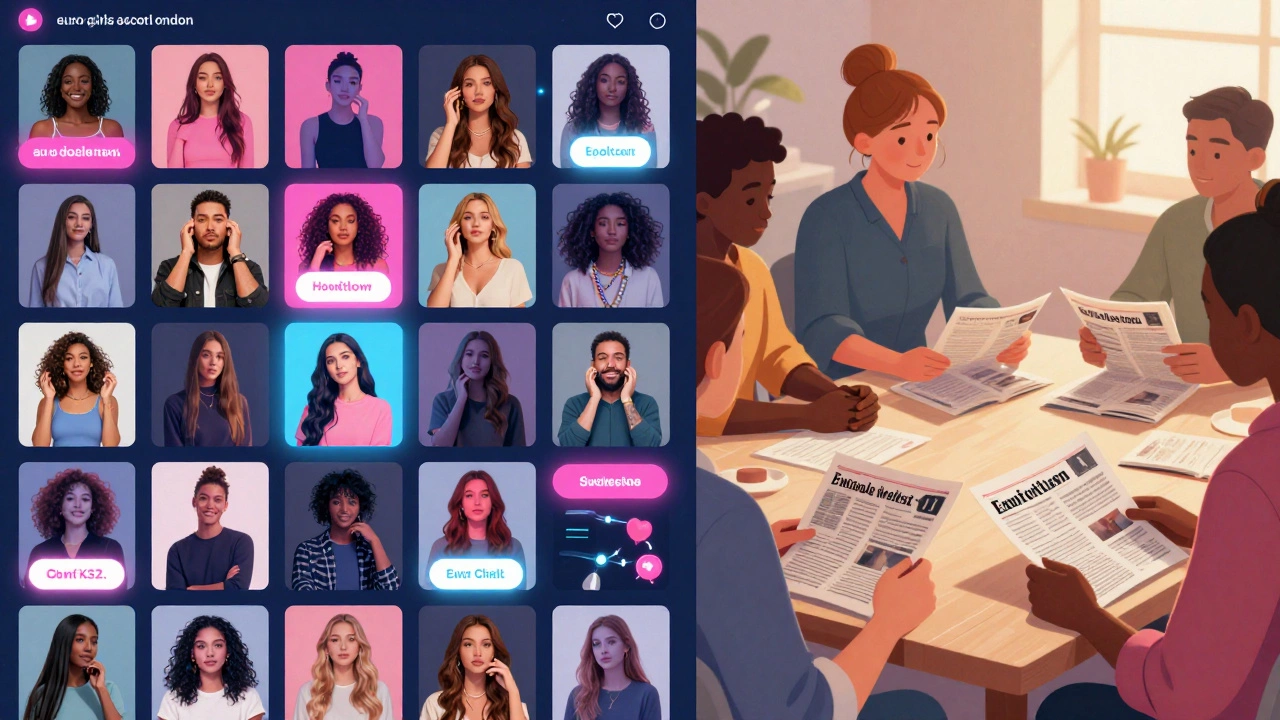
There’s a whole underground economy built on the idea that personal connection can be packaged and sold. From private DMs to subscription platforms, the lines between consent, commerce, and exploitation have blurred. Some call it empowerment. Others call it survival. But when you start seeing ads for euro girls escort london next to lifestyle blogs about mindfulness and self-care, something inside you shifts. It’s not just about the content - it’s about the culture that normalizes it.
How We Got Here
This wasn’t always like this. Ten years ago, content creators who shared intimate stories were seen as brave. They were breaking taboos. They were reclaiming agency. But the algorithms didn’t care about intent. They cared about engagement. And sex, even when framed as "authentic" or "empowering," always got clicks. So platforms rewarded it. Advertisers followed. Influencers adapted.
What started as personal storytelling became a performance. The more explicit, the more profitable. Creators who refused to cross that line saw their reach shrink. Those who did? They got sponsored by lingerie brands, paid partnerships with adult platforms, and invites to exclusive networking events. The money was real. The cost? Often invisible until it was too late.
The Hidden Toll
Behind every "babe" post, every "private content" offer, there’s a person. Sometimes it’s someone trying to pay rent. Sometimes it’s someone who’s been groomed into believing this is their only value. And sometimes, it’s someone who thought they were in control - until they weren’t.
One creator I spoke with, who asked to remain anonymous, said she made $8,000 a month for two years doing "consensual" adult content. She quit after a client threatened to leak her videos unless she did something illegal. She didn’t report it. She didn’t tell anyone. She just deleted everything and took a job at a coffee shop. "I didn’t lose money," she said. "I lost trust in myself."
That’s the quiet epidemic no one talks about: the erosion of self-worth. Not because of the act itself - but because the system teaches you that your body is your only currency. And when that currency crashes, what’s left?
The Rise of the Anti-Monetization Movement
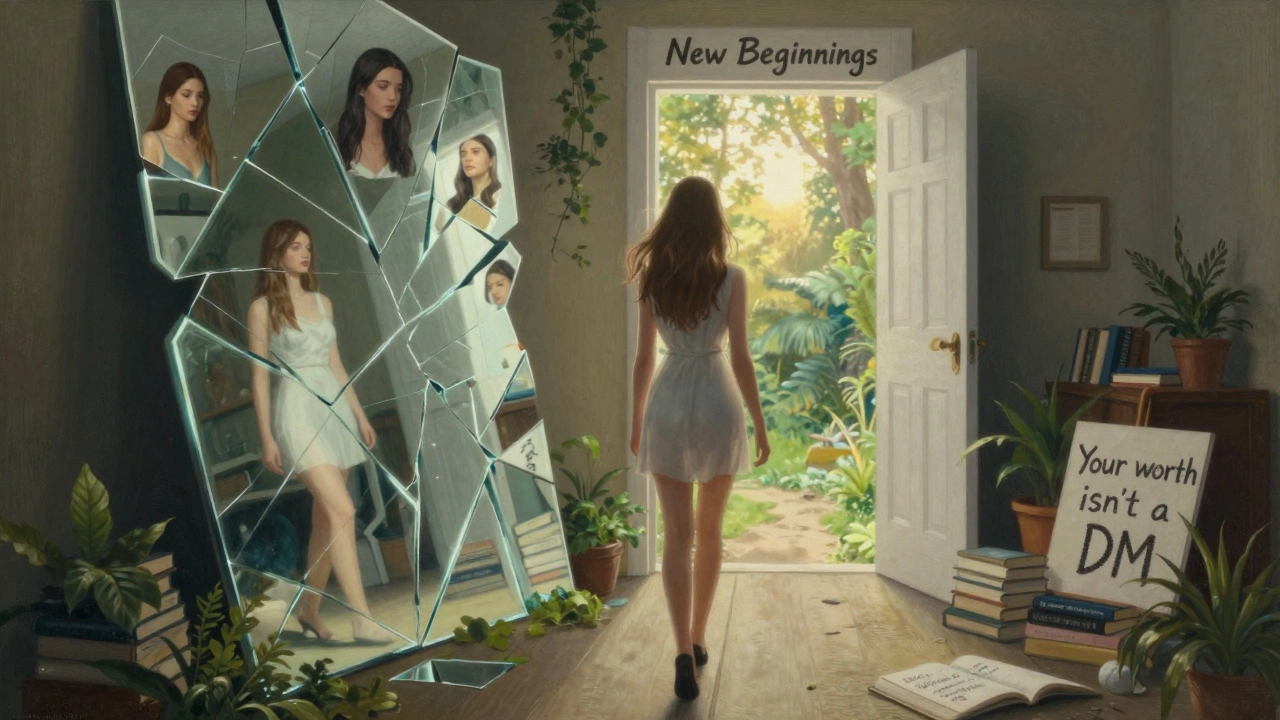
More creators are walking away. Not because they’re prudish. Not because they’re religious. But because they’re tired of being told their worth is measured in views, likes, and DMs. They’re choosing clarity over cash. Connection over commerce.
Some are pivoting to teaching. Others are writing books. A few are starting podcasts about emotional labor and boundaries. One former content creator now runs a nonprofit helping others exit the industry. She doesn’t judge those who stay. She just offers a door.
This isn’t about shaming. It’s about reclaiming space. Space where your value isn’t tied to your appearance. Where your voice isn’t auctioned off to the highest bidder. Where intimacy stays personal - not profitable.
What About the Audience?
Let’s be real: we’re not innocent bystanders. We’re the ones clicking. The ones subscribing. The ones commenting "more like this." We tell creators what they’re worth by what we’re willing to pay for. When we reward explicit content with our attention, we signal that it’s acceptable - even desirable.
But here’s the thing: audiences are changing. Younger users are starting to ask harder questions. "Why does this feel empty?" "Why am I drawn to this?" "Why do I feel worse after watching?" They’re not just scrolling anymore. They’re searching for meaning.
And that’s where the real shift is happening. Not in the laws. Not in the platforms. But in the minds of people who used to think this was normal.
The Role of Platforms
Platforms like Instagram, OnlyFans, and TikTok didn’t create this system - but they sure optimized it. Their algorithms push what gets attention. And attention is easier to get when it’s sexualized. Even if it’s "artistic." Even if it’s "educational." Even if it’s "empowering."
Some platforms have tried to clamp down. OnlyFans banned "sexual services" in 2023. But the loophole? "Personal content." So now, instead of selling sex, creators sell "companionship," "emotional support," or "intimate conversations." The product changed. The transaction didn’t.
And then there are the gray areas. Ads for euro girl escort london appear in blog comment sections. Instagram influencers post photos with captions like "DM for availability" - all while claiming they’re "just being real." The platform doesn’t flag it. The audience doesn’t question it. And the creator? They’re just trying to make rent.
Where Do We Go From Here?
The answer isn’t to ban it. The answer is to rebuild. To create systems where people can earn a living without selling their bodies. Where creativity is rewarded, not just sexuality. Where emotional labor is valued as much as physical performance.
It starts with us. With the content we consume. The creators we support. The conversations we have. If you’re a reader, ask yourself: Do I want to live in a world where intimacy is a product? Or do I want to help build one where it’s a gift?
There are alternatives. Paid newsletters about mental health. Coaching for young women navigating self-worth. Communities built on trust, not transactions. These don’t make headlines. But they’re growing. Quietly. Steadily. And they’re the future.
One blogger didn’t change the world with one post. But she started a conversation. And sometimes, that’s all it takes.
Meanwhile, the ads keep popping up. euro escort girls london still shows up in search results. People still click. But now, more of us are asking: Why?